
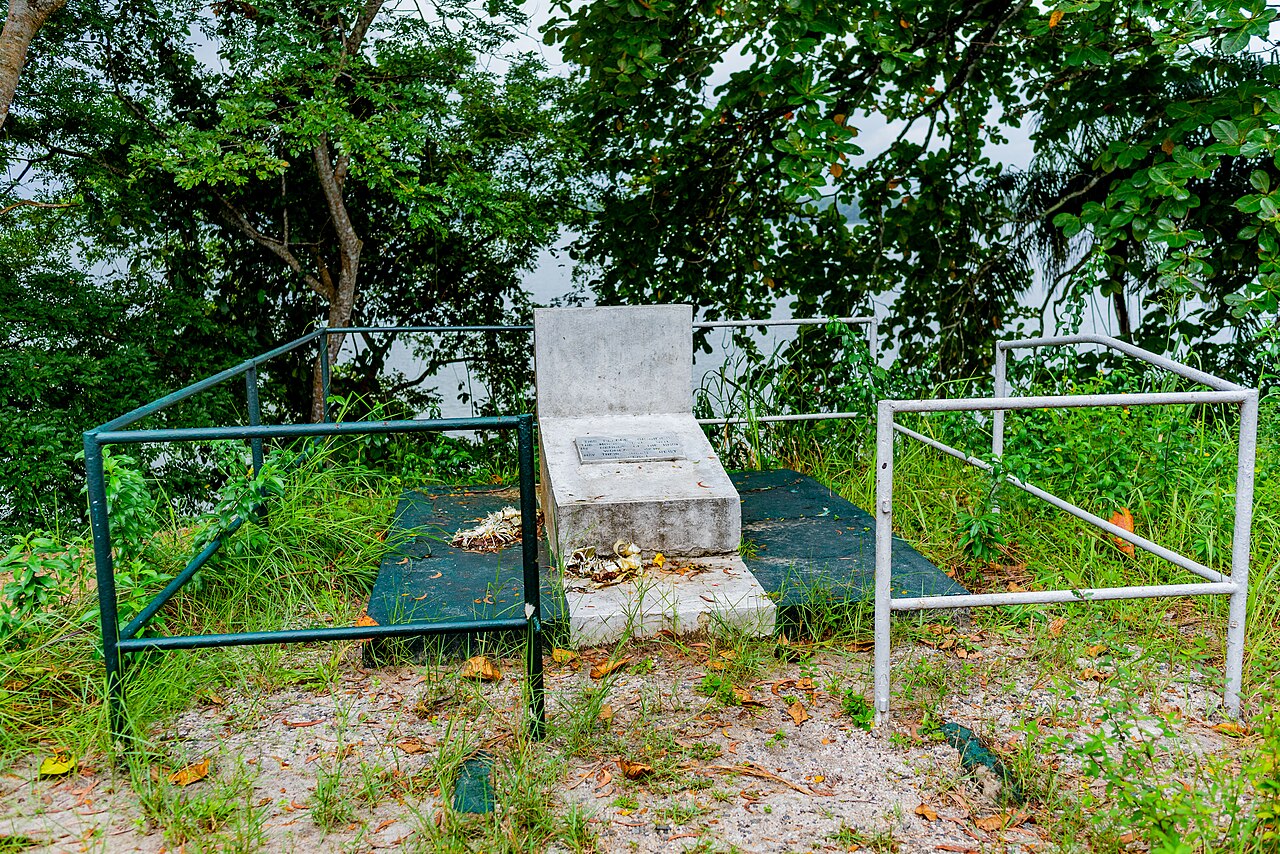
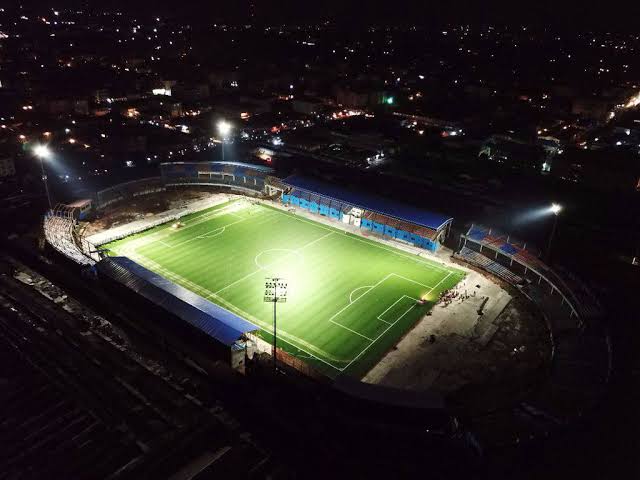
Aba is Aba Ngwa, nicknamed Enyimba - the elephant - and known as Enyimba City. It grew as a colonial collecting town for palm oil and palm kernels on the railway, and its modern culture is industrial: the master-and-apprentice system that trains a young person in a trade and hands them a market, the leather and footwear workshops, garment making and printing, and the "Aba-made" identity that carries the city's goods across West Africa. Ariaria International Market is that workshop culture's front room - open-air, open Monday to Saturday, and described in the reference record as one of the largest markets in West Africa. Around it stand the leather market, the apparel market on Ndoki Road and the workshops the city is known for. Wesley Cathedral stands on Park Road, Enyimba International Stadium carries the city's name into football, and the National Museum of Colonial History holds the colonial-era record. In 1929 Aba was where the Women's War reached its most violent point, after the colonial administration began counting women as a prelude to taxing them; the mock grave and the sculpture in this gallery remember it. The city's own account of its quarters and its trades is what a visitor should carry away. Photographs, via Wikimedia Commons: Ariaria market - VenturesAfricaNG, CC BY-SA 3.0. The leather market, Aba - Stefcray, CC BY-SA 4.0. Aba-made sandals and bags, on sale at Eke Okigwe market - NiferO, CC BY-SA 4.0. The apparel market on Ndoki Road, Aba - Soulmender (Chinomso Nzenwa), CC BY-SA 4.0. Wesley Cathedral, Park Road, Aba - Soulmender (Chinomso Nzenwa), CC BY-SA 4.0. Enyimba stadium, Aba - Nyerougo, CC0. The mock grave of the 1929 Women's War - Dappa Solomon, CC BY-SA 4.0. A sculptural representation of the Women's War - Harriwillz, CC BY-SA 4.0. Licences: https://creativecommons.org/licenses/by-sa/3.0/ https://creativecommons.org/licenses/by-sa/4.0/ https://creativecommons.org/publicdomain/zero/1.0/
What to see
- 1
Ariaria International Market
The open-air market that is the city's workshop culture on show, open Monday to Saturday, and described in the reference record as one of the largest markets in West Africa.
- 2
The leather market
The market where Aba's leather trade is sold, and one of the sights the city is known for.
- 3
The apparel market on Ndoki Road
The garment market on Ndoki Road, where the city's tailoring and printing trades reach the street.
- 4
The Aba-made workshops
The leather and footwear workshops whose master-and-apprentice system trains a young person into a trade and hands them a market. The workshops are worked places; a visit is arranged with the people who work in them.
- 5
The National Museum of Colonial History
The museum that carries the city's colonial-era record, named on the National Museum's own list of the city's sights.
- 6
The Women's War memorial
The mock grave and the sculpture remembering the Women's War, which reached its most violent point here in 1929.
- 7
Enyimba International Stadium
The stadium that carries the city's nickname into Nigerian football.
- 8
Wesley Cathedral, Park Road
The Methodist cathedral on Park Road, one of the city's older public buildings.
Culture around this place
Stories, heritage and traditions connected to Aba, Enyimba City and its region.
Nearby places
Continue through the same region and build a fuller visit.
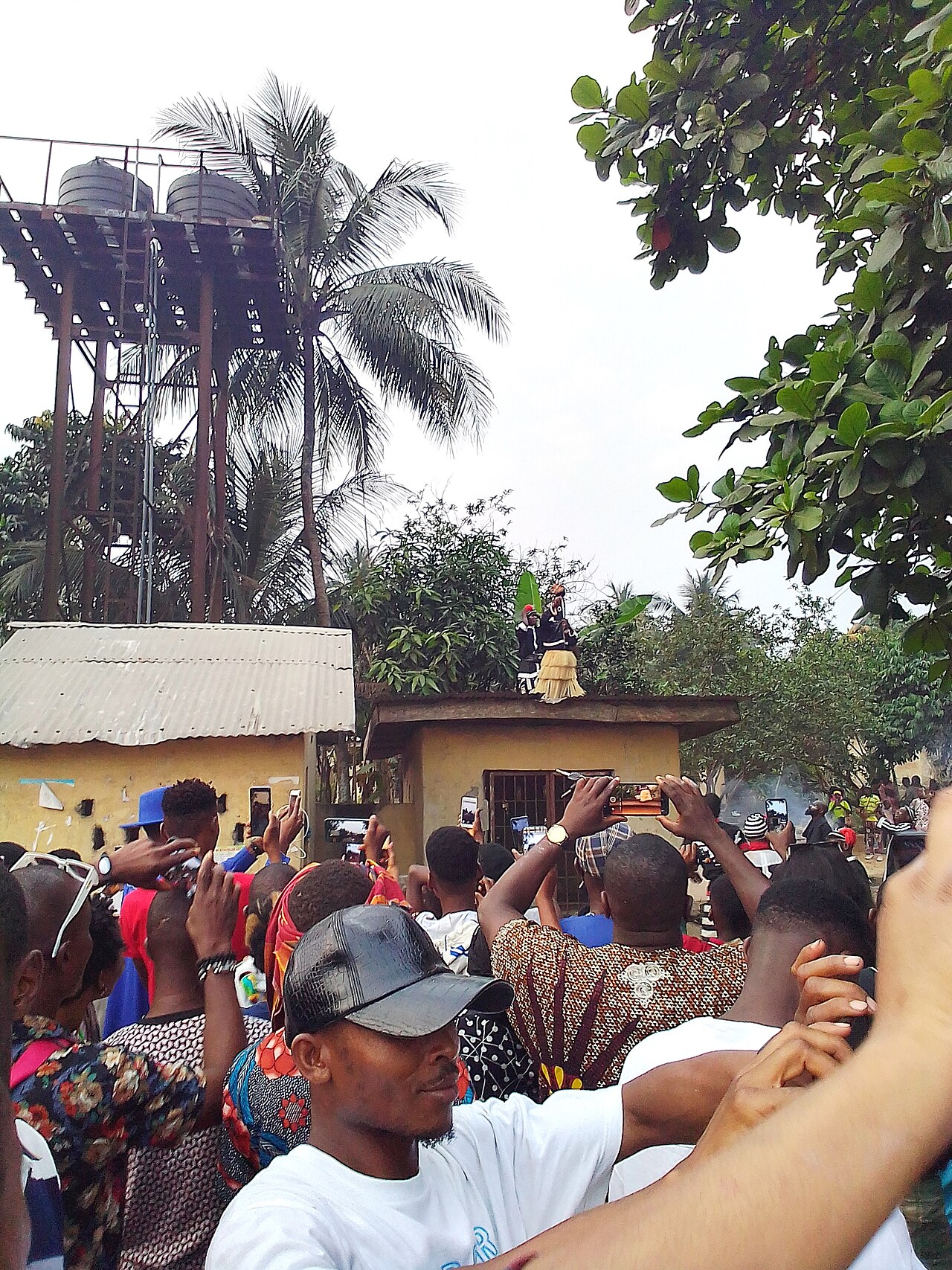 FestivalsAkirikaThe Nwaotam festival at AkirikaThe Nwaotam festival at Akirika, in Ukwa East, is kept on the first of January, and the photograph in this gallery is of a crowd at the celebration. Ukwa East calls itself Eastern Oil Land, its people are the Ndoki, and its best-known things are water and cloth - the Azumini Blue River and Akwete cloth, which have their own entries beside this one. The community's own account of Nwaotam, what it marks and who keeps it, is the source this entry is waiting for. Photographs, via Wikimedia Commons: A crowd at the Nwaotam festival, Akirika - Dalli Gozie K., CC BY-SA 4.0. Licences: https://creativecommons.org/licenses/by-sa/4.0/
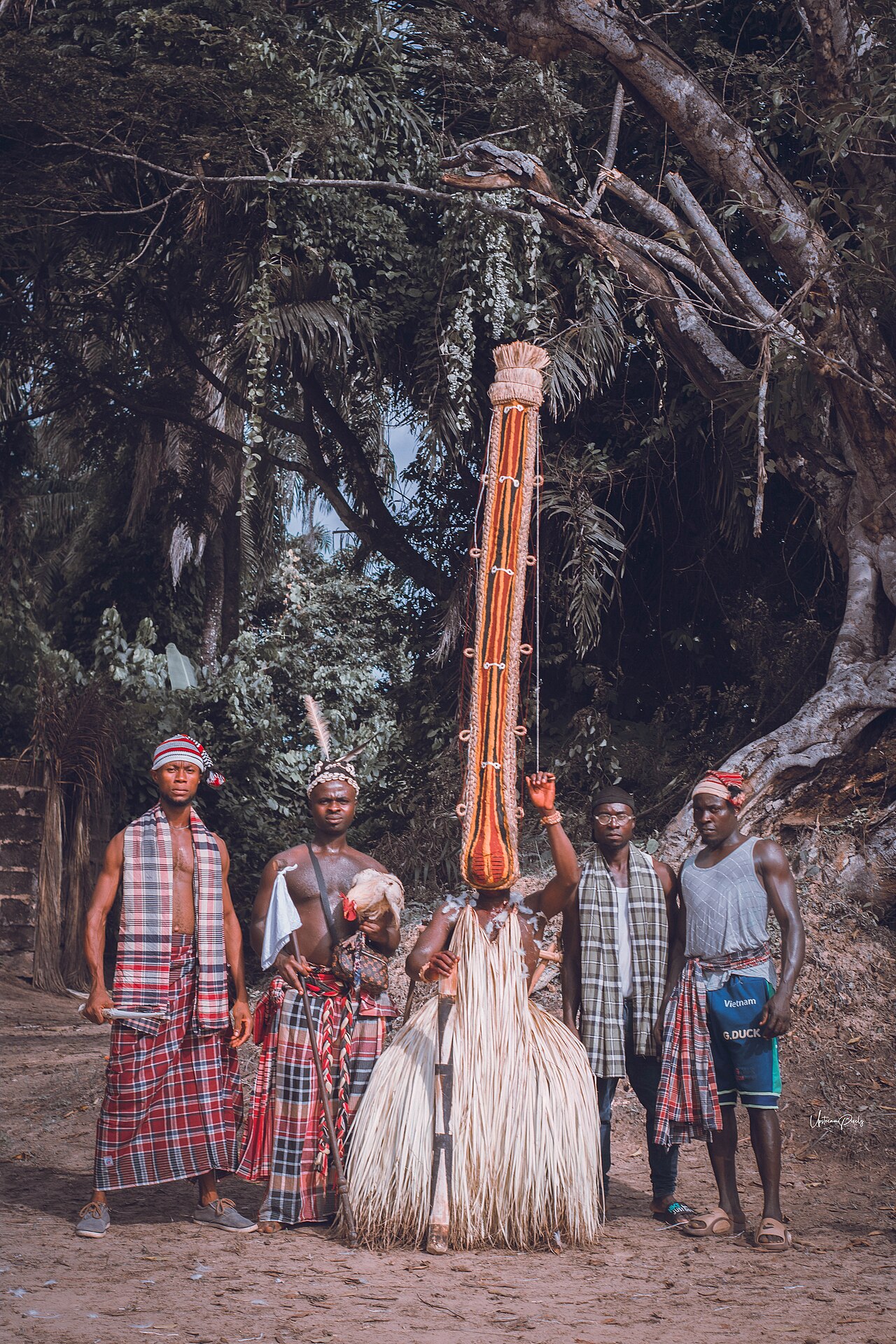 FestivalsNkporoThe Ukpo festival at NkporoUkpo is kept by Ndi Nko, Nkporo, in the Ohafia local government area, and on 4 October 2025 the community held it; the photographs in this gallery are of that day. This entry is deliberately short. Nkporo's own account of what Ukpo is, who may keep it and what it obliges is the entry's proper source, and it is still to be written here. What the platform can say now is what it has: the community, the place and the date. Photographs, via Wikimedia Commons: The Ukpo festival at Nkporo, Ohafia, 2025 - Eskimo2.0, CC BY-SA 4.0 (photograph 1 in this gallery). The Ukpo festival at Nkporo, Ohafia, 2025 - Eskimo2.0, CC BY-SA 4.0 (photograph 2 in this gallery). Licences: https://creativecommons.org/licenses/by-sa/4.0/
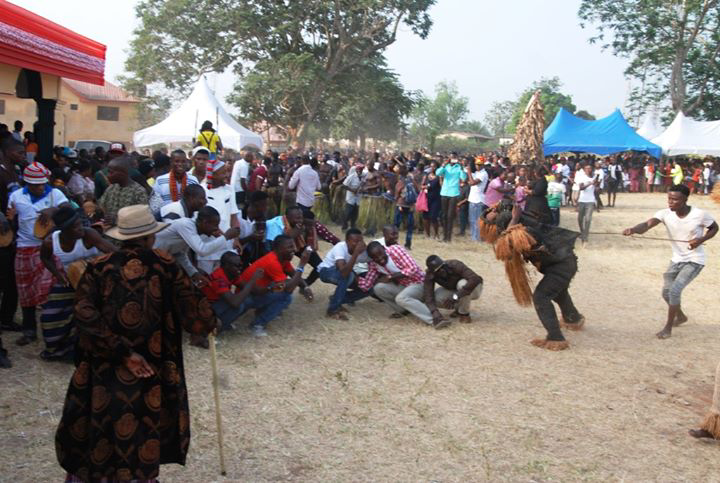 HeritageBendeBendeBende is the middle belt of Abia and one of the state's two colonial divisions: Ndi Bende, the people of the old Bende Division of the Owerri Province, whose towns include Bende itself, Item, Igbere, Alayi, Ozuitem and Uzuakoli. The division's courts, schools and mission stations made it one of the most recorded parts of the present state. Alayi is known for pottery, a women's craft of a very old kind; Uzuakoli carries the memory of the Methodist mission's leprosy settlement and research centre and the college that grew beside it; and the 1929 tax protest that became the Women's War began inside the division, at Oloko. The masquerade and the festival year are kept as they are across Igbo land, with Iri ji, age grades and wrestling, and the photographs in this gallery are from a Bende cultural festival. Photographs, via Wikimedia Commons: A masquerade at a Bende cultural festival - Peddykal, CC BY-SA 4.0. A chief in Bende - Peddykal, CC BY-SA 4.0. Licences: https://creativecommons.org/licenses/by-sa/4.0/
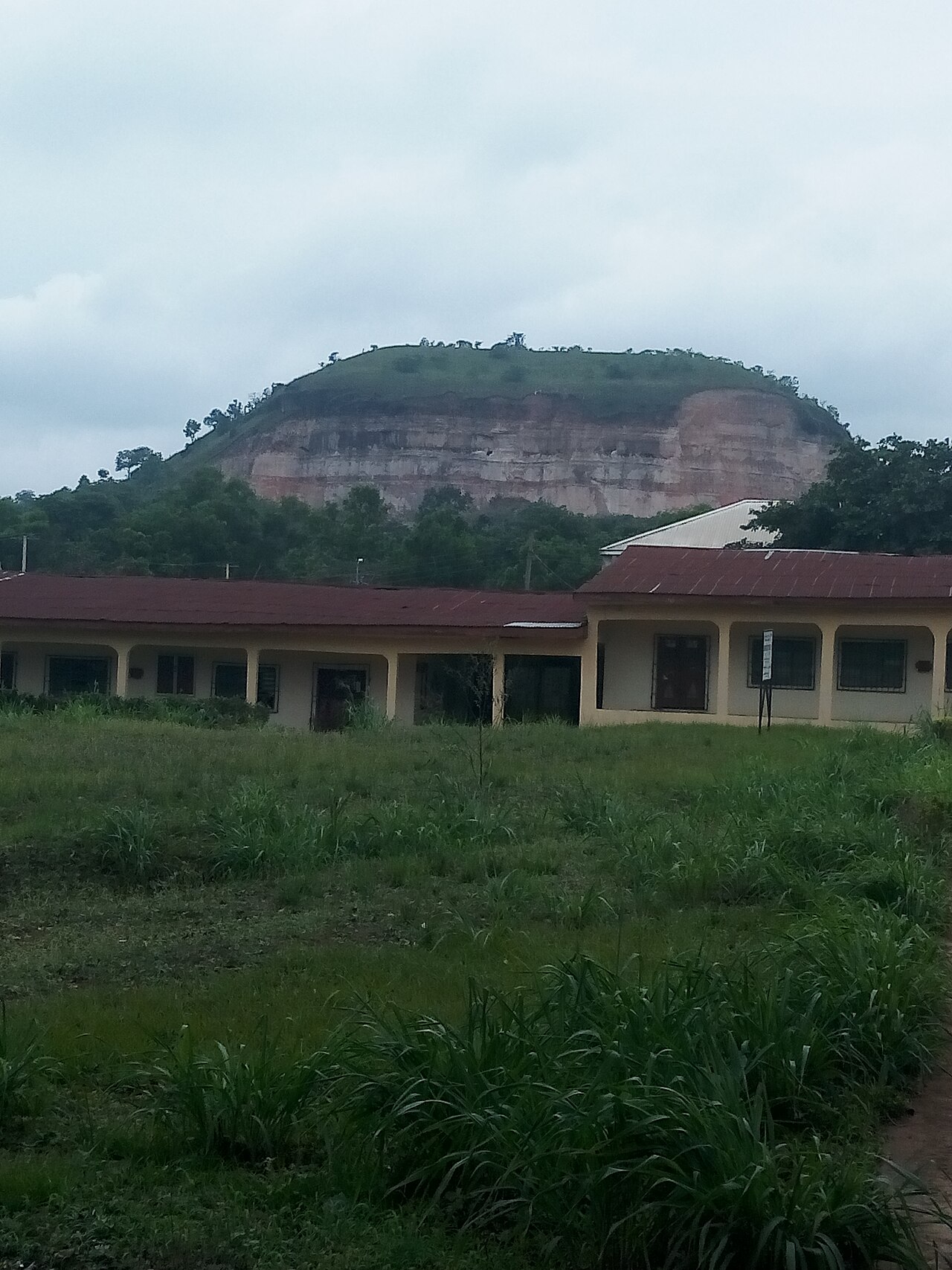 AdventureUturuUturu and the Isuikwuato hillsIsuikwuato is the cool upland country of Abia's north-west, on the road to Enugu, and its communities include Uturu, Umuobiala and their villages. Abia State University's main campus stands at Uturu, and the photograph in this gallery is of the hills above it. The people's own tradition places them in the Isu stock of Igbo groups, a claim of common descent with communities far beyond the state rather than a dated record, and the land around them is upland farm and quarry country: cassava, yam and palm on the slopes. There is a waterfall on the hills, recorded in the culture entry for Isuikwuato and the Isu; the community's account of where it is and how it is reached is not yet in this record, and the platform does not guess a route. Photographs, via Wikimedia Commons: The hills above Abia State University, Uturu - MaziIwu, CC BY-SA 4.0. Licences: https://creativecommons.org/licenses/by-sa/4.0/
Its address is /tourism/aba on www.buzzbuntu.com.